How we work
Editorial standards
Useful travel writing separates observed fact, sourced guidance, and personal judgment. We aim for specific language, practical context, accessible alternatives, and honest uncertainty. Recommendations should explain who an experience suits, the effort and cost involved, and meaningful tradeoffs.
Commercial relationships must not determine editorial conclusions. Sponsored or hosted experiences should be labeled where they appear. We do not promise that a place is “undiscovered,” and we avoid turning living communities into scenery.
Source policy
Operational claims should be checked against the most direct available source: public agencies for entry rules and closures, transport operators for schedules, land managers for access, and the venue itself for opening details. We record a checked date when freshness matters and distinguish official information from traveler reports.
- Use at least two credible sources for consequential or disputed claims when possible.
- Prefer primary sources, while noting when they are incomplete or unavailable.
- Do not copy local knowledge without attribution, context, or permission.
- Recheck prices, timetables, permits, and seasonal access close to travel.

Consent and representation
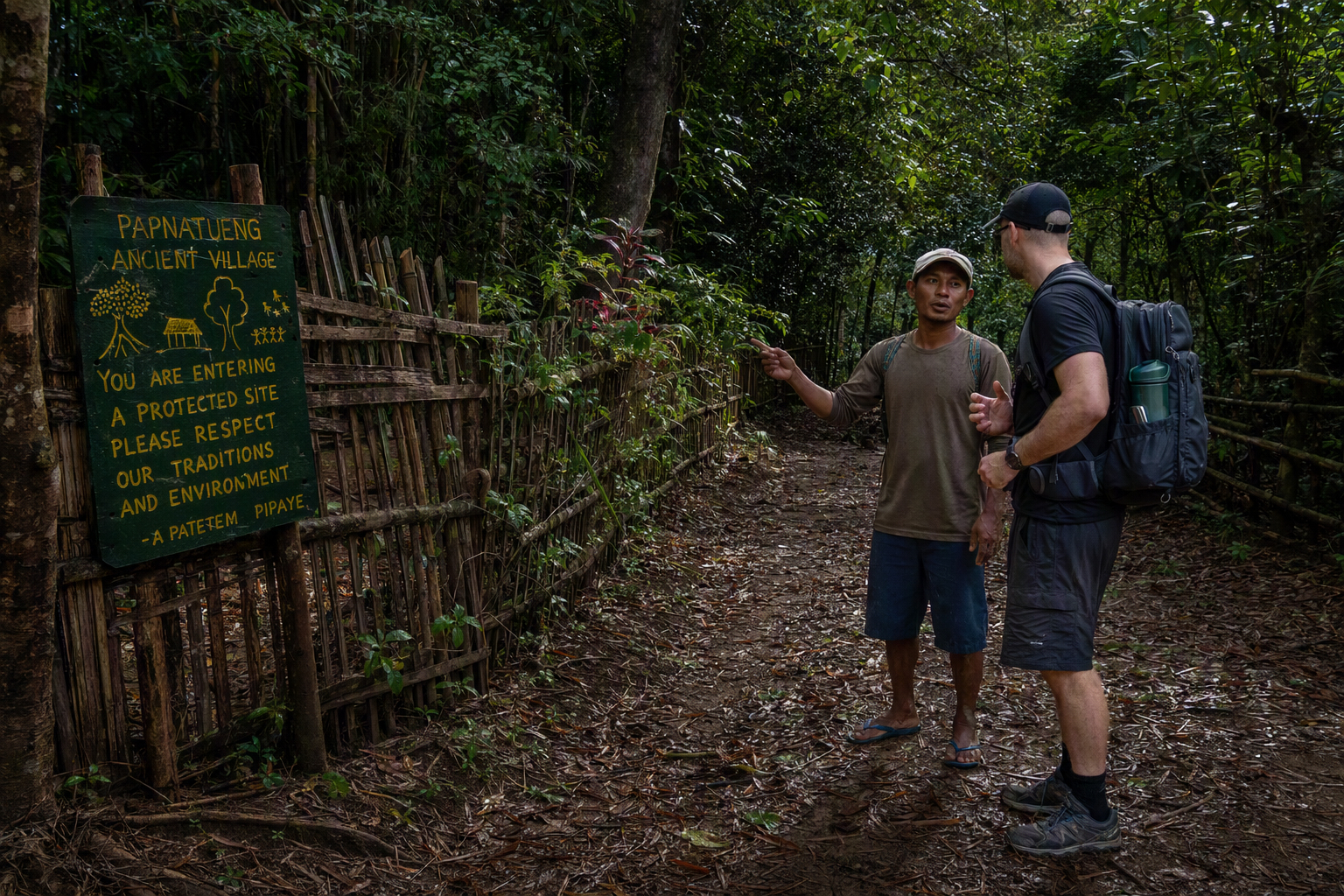
A person’s presence in a public place is not blanket permission to photograph, publish, geotag, or commercialize their image or story. Ask first in a language and manner they understand. Make refusal easy, never pressure children, and respect rules around ceremonies, homes, sacred places, and vulnerable wildlife.
When sharing community knowledge, credit its source, preserve context, and follow requests about what should remain private. Consent can be withdrawn. Remove material promptly when a reasonable privacy or safety concern is raised.
Local etiquette
Learn basic greetings and local expectations before arrival. Dress and behave appropriately for the setting, ask before entering or photographing, keep noise low in residential areas, and follow posted restrictions. Bargaining customs vary. A fair interaction matters more than winning the lowest price.
Choose locally owned services where practical, pay agreed prices promptly, tip according to local norms, and do not treat poverty, labor, or ritual as entertainment. Accessibility needs and cultural norms can coexist through early, respectful communication.
Conservation and place protection
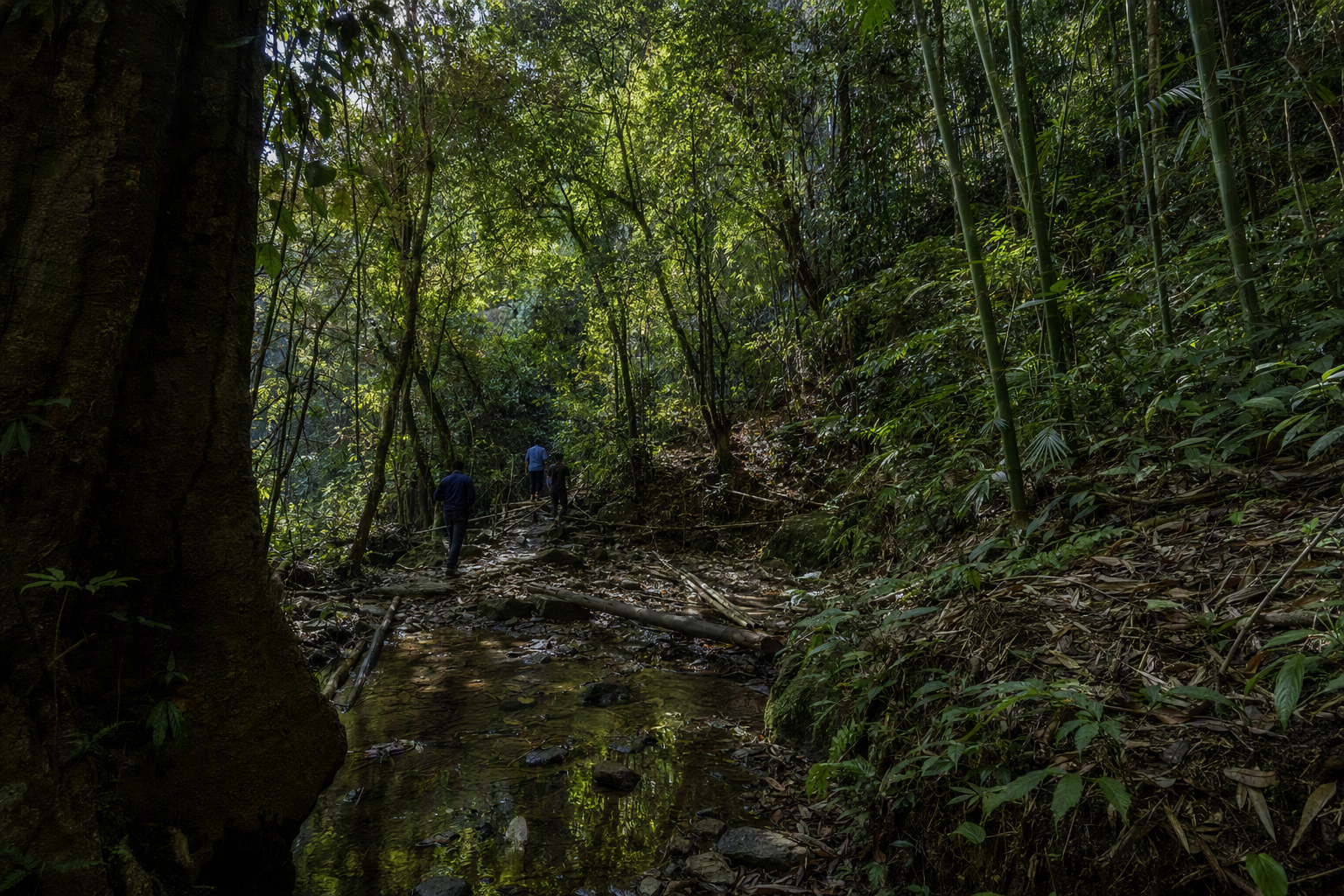
Stay on durable or designated surfaces, carry waste out, keep distance from wildlife, and never feed or handle animals for a photograph. Follow fire, water, biosecurity, and seasonal closure rules. Avoid publishing precise locations for fragile, sacred, or overcrowded sites when exposure could cause harm.
Lower-impact choices depend on context. Favor fewer, longer stays; shared or lower-emission transport where workable; refill systems; reputable wildlife experiences; and operators whose environmental claims are specific and verifiable. Carbon claims are not a substitute for reducing avoidable impact.
Corrections and feedback
Travel information changes. If a detail is wrong, outdated, unsafe, misattributed, or culturally insensitive, send a correction inquiry with the page, passage, and a reliable source when available. We assess the claim, update material that needs correction, and distinguish substantive corrections from routine freshness updates.
We do not require personal information beyond what is needed to understand and answer the report.
Current safety guidance
This website is planning context, not a live alert service or professional safety advice. Weather, fire, conflict, health requirements, border rules, tides, road conditions, and emergency access can change quickly.
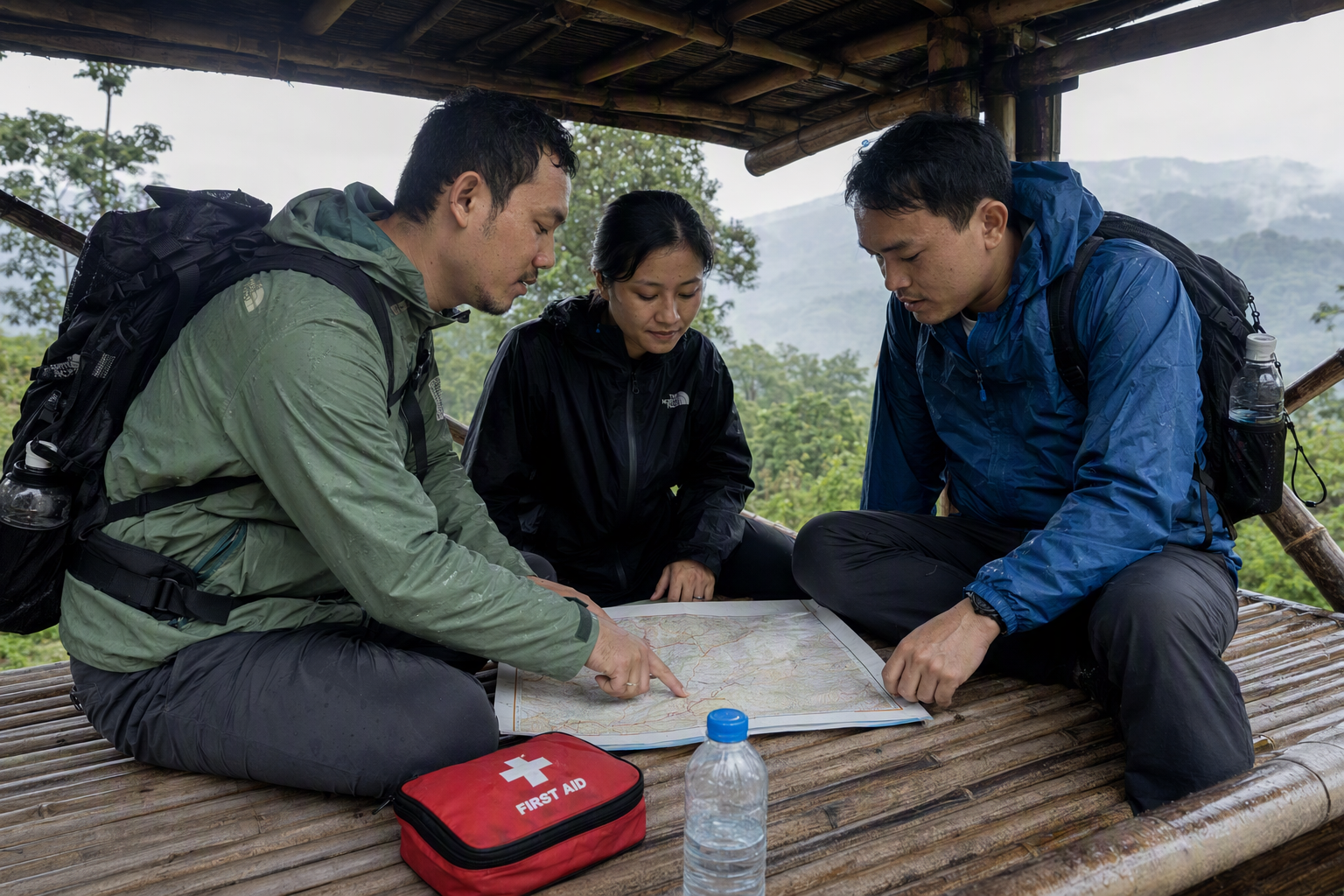
Before and during travel, check official government advisories, local emergency services, land or park managers, transport operators, and current forecasts. Follow evacuation orders and local authority instructions. In an emergency, contact the relevant local emergency service. Do not rely on a saved itinerary when conditions conflict with it.