What to expect
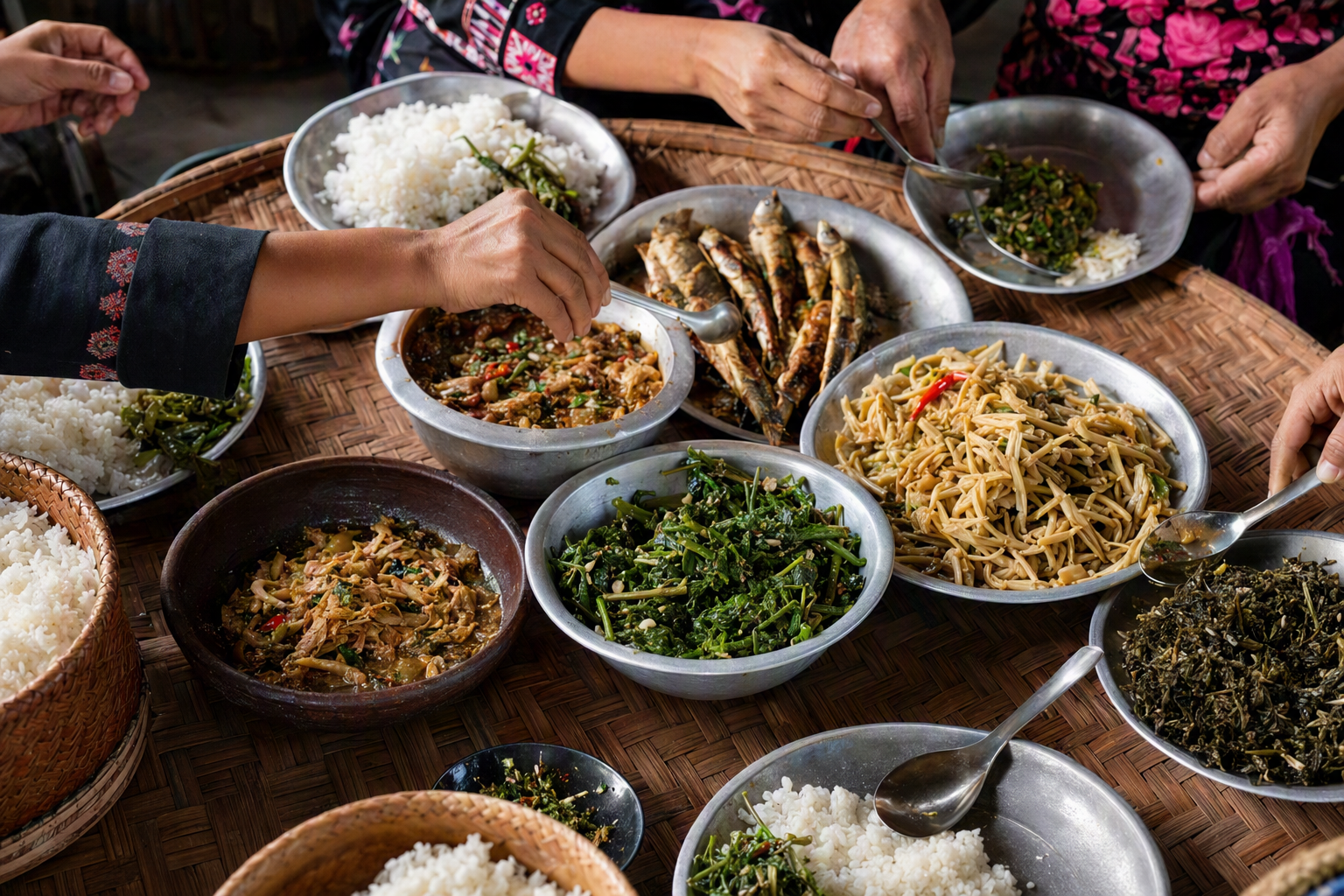
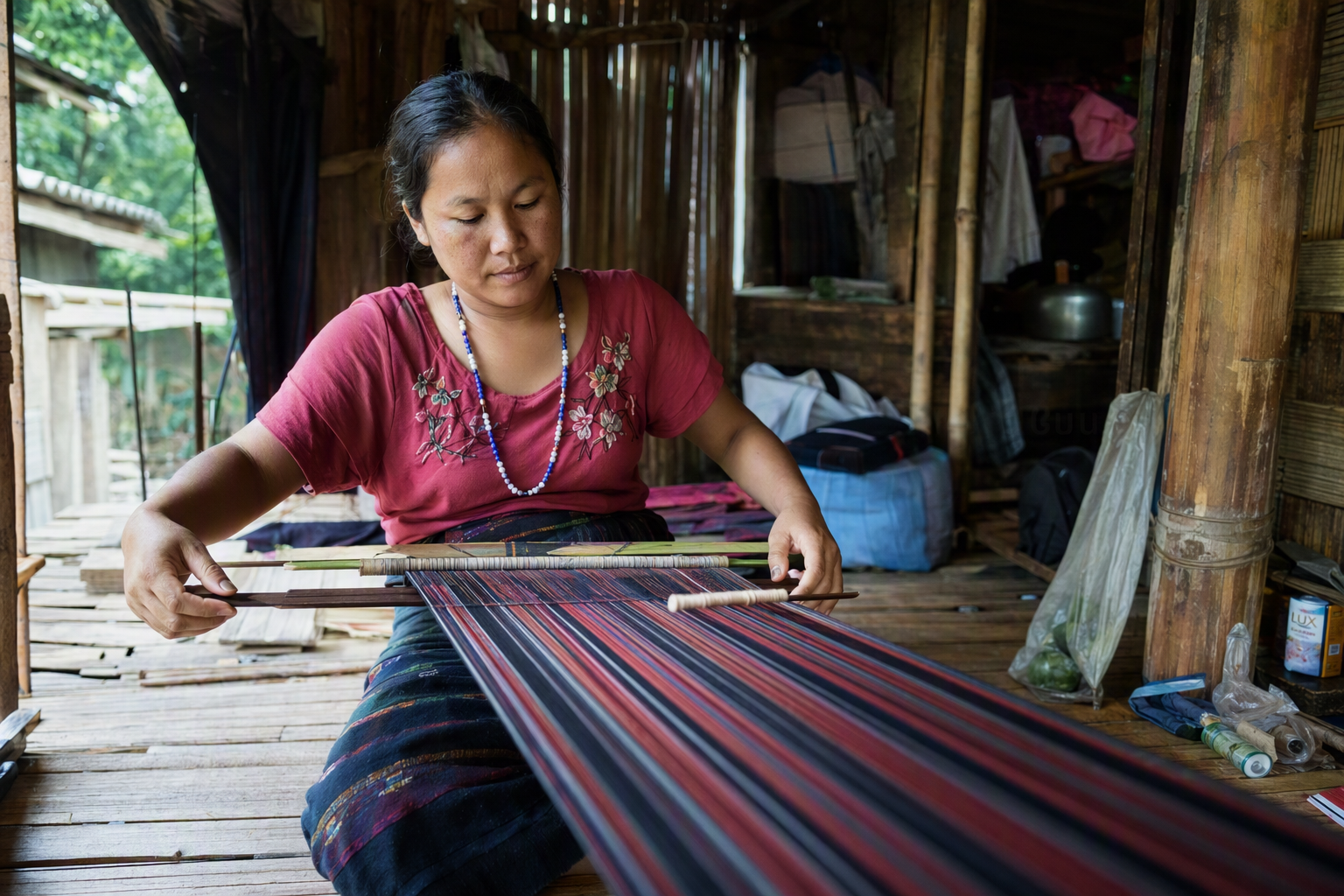
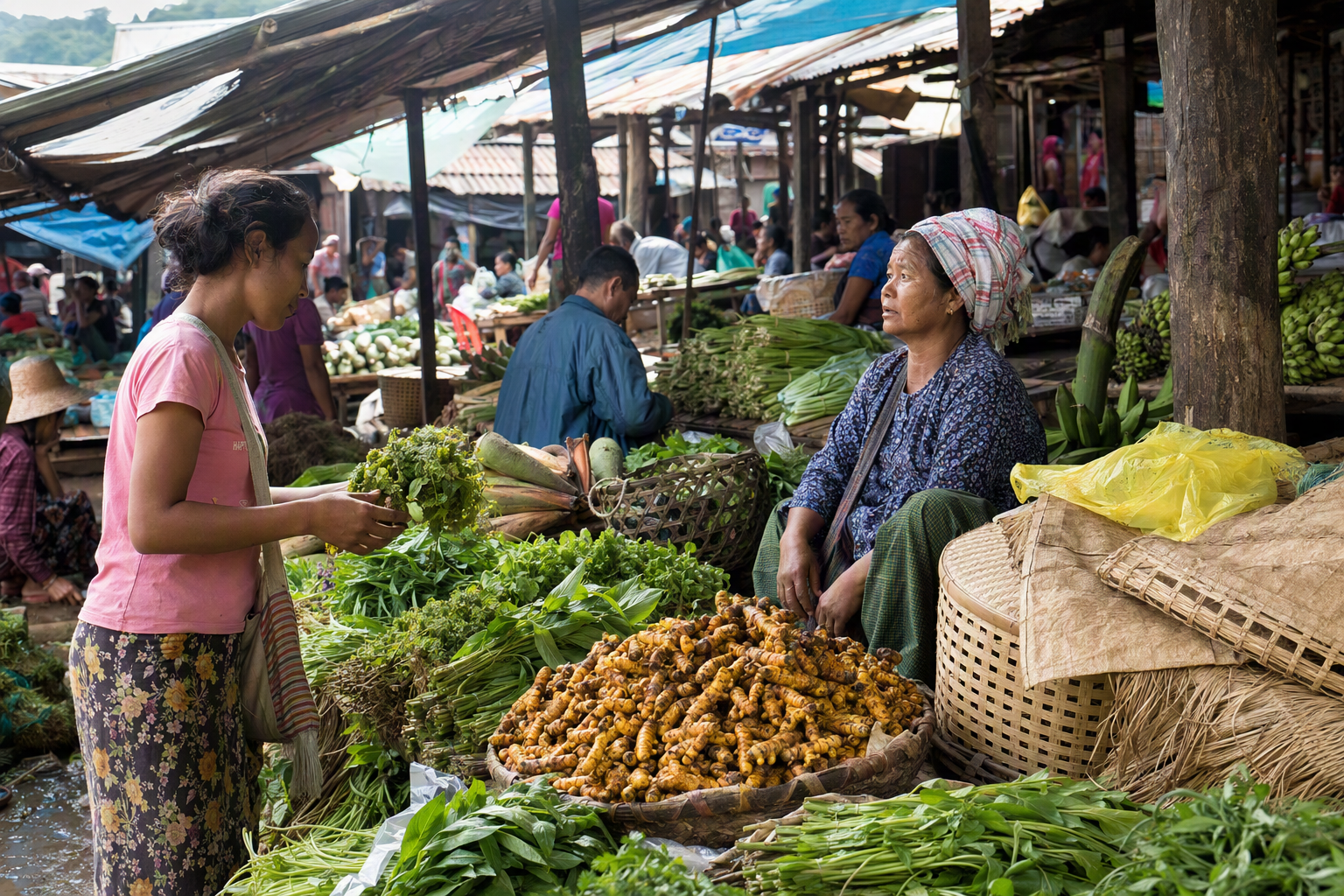
A good visit is small, scheduled and host-led. It might begin with a market walk to identify seasonal vegetables, herbs, bamboo shoots or fruit, then move to a workshop or cooking space where the host chooses what to demonstrate. Weaving traditions and cuisines vary among Chakma, Marma, Tripura and many other communities across the Hill Tracts. Avoid presenting any single meal or textile as “the” hill culture.
The host may prefer a public studio, cooperative, restaurant or market rather than a private home. That boundary improves the experience, not diminishes it. Interpretation should make room for the maker's own account of materials, labour, motifs and pricing without extracting guarded techniques or sacred meanings.
Arrange it well
- Book through a trusted local coordinator who can name the host, explain the setting and confirm that the host opted in.
- Agree group size, duration, interpreter, demonstration fee, meal cost, purchasing expectations, photography rules and cancellation terms.
- Share allergies, intolerances, religious dietary needs and cross-contact concerns in writing. “Vegetarian” and “no spice” can be interpreted differently.
- Ask whether handwashing, drinking water and a clean toilet are available. Carry personal medication and do not rely on remote access to emergency care.
- Bring a reusable bottle and bag. Keep enough small cash for agreed purchases, but do not arrive expecting bargaining theatre.
Food safety and allergies
Choose freshly cooked food served hot, treated or sealed drinking water, and produce that can be peeled or washed safely. Travellers with severe allergies should assume shared utensils, oils and preparation surfaces unless the host can confirm otherwise. Mustard, sesame, peanuts, fish and fermented ingredients may not be obvious. If safe separation cannot be assured, participate in the conversation and craft portion without eating.
Weather and transport
This is one of the more weather-resilient experiences, but monsoon rain can flood streets, interrupt power and delay road travel. Confirm the venue and road condition on the day through your host. Use a known driver, share the address in Bangla where possible and allow daylight for unfamiliar lanes. Never ask a host to continue during a severe-weather warning or local disruption.
Accessibility caveats
A step-free core is sometimes possible in a street-level shop, cooperative or restaurant, but thresholds, narrow doors, low stools, floor seating and squat toilets are common. Ask for doorway width, surface, seating height, toilet layout, drop-off distance and noise level. Request a table-height demonstration and chair with back support if needed. For sensory access, a quieter time, written ingredient list, close visual position and breaks can help. Do not describe a venue as accessible until the exact setup is confirmed.
Respect, consent and fair value
- Ask before every portrait, video or close-up of a design. Consent to take an image is not consent to publish, sell or train a model with it.
- Do not copy patterns, recipes or stories for commercial use. Ask how the maker wishes to be credited if sharing.
- Pay the agreed hosting and interpretation fees even if you buy nothing. Purchase directly where possible and ask for the maker's stated price.
- Do not ask intrusive questions about ethnicity, religion, conflict, income or family history. Let the host set the depth of conversation.
- Keep the group small and punctual. Avoid gifts that create obligation. A clear fee and sincere thanks are usually more respectful.
Materials and conservation
Ask what fibres, dyes, bamboo, wood or other materials are used and whether they are legally and sustainably sourced. Avoid wildlife parts, coral, shells of concern, rare plants and undocumented antiques. Choose durable work you will use, decline excessive packaging and never pressure a maker to accelerate handwork. Traditional production is skilled labour, not instant souvenir manufacture.
Sources and live checks
Cultural context can be explored through the Banglapedia national encyclopedia and Bangladesh's UNESCO Intangible Cultural Heritage country page. Food-health preparation follows general World Health Organization food-safety guidance. These sources do not validate a specific host. Confirm consent, price, ingredients and venue conditions directly each time.